
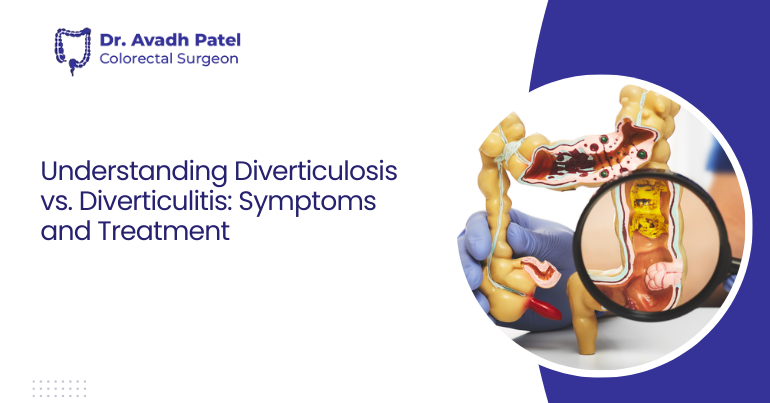
Digestive issues can be tricky. One day you’re fine, and the next, something feels off. A bit of bloating here, a cramp there and suddenly, your gut becomes the focus of your attention. If that sounds familiar, you’re not alone. Two conditions that often cause this kind of discomfort are diverticulosis and diverticulitis. Both relate to the same underlying issue, pouches in the colon, but they’re very different in how they affect you.
That’s why getting the right Diverticular Disease Treatment early makes all the difference. Let’s break this down clearly, so you know what’s happening and what to do about it.
What Is Diverticulosis?
This is the quiet one. Diverticulosis means small pouches (called diverticula) have formed along your colon wall. It usually develops over time, especially after age 40. You might not even know it’s there.
Most people don’t feel anything at all. But some experience bloating, a bit of abdominal discomfort, or a change in bowel habits. Not painful, just enough to feel “off”.
The fix isn’t complicated. Eating more fibre, drinking enough water, and walking a bit each day help reduce pressure on the colon. These small changes go a long way in keeping things under control and preventing flare-ups.
What Is Diverticulitis?
Here’s where it gets uncomfortable. Diverticulitis happens when those pouches become inflamed or infected. It doesn’t sneak up quietly. You’ll likely feel sharp pain on your lower left side, possibly with fever, chills, or nausea.
Sometimes, you might notice constipation or loose stools. The pain can get intense if it’s not treated early. That’s why recognising the signs and starting Diverticular Disease Treatment promptly is important. Waiting it out only raises the risk of complications like abscesses or even blockages in the colon.
Key Differences Between Diverticulosis and Diverticulitis
Here’s a simple way to look at it:
| Aspect | Diverticulosis | Diverticulitis |
| Definition | Small pouches in colon wall | Infection or inflammation of those pouches |
| Symptoms | Usually none, or mild discomfort | Sharp pain, fever, nausea, bowel issues |
| Severity | Mild and manageable | Needs urgent attention and medical care |
| Treatment | Diet and lifestyle adjustments | Antibiotics, rest and sometimes surgery |
Diagnosis of Diverticular Disease
Doctors usually begin with a physical exam and ask about your symptoms. To confirm, they may suggest:
- Colonoscopy: To see inside the colon.
- CT Scan: To check for infection or complications.
- Blood Tests: To detect signs of inflammation.
Once they know what’s going on, they can guide you through the right Diverticular Disease Treatment plan based on how severe things are.
Treatment Options for Diverticulosis and Diverticulitis
Managing Diverticulosis
Here, the goal is prevention. A fibre-rich diet, plenty of fluids, and staying active help a lot. These steps keep your colon healthy and reduce pressure on those delicate spots.
Treating Diverticulitis
Mild cases may be treated at home with rest, a soft or liquid diet, and antibiotics. But if things get worse or keep coming back, surgery might be necessary to remove the damaged section.
The key is to manage both the current episode and prevent future ones. That’s why long-term Diverticular Disease Treatment focuses on both healing and lifestyle support.
Preventing Diverticular Disease
You don’t need anything fancy. Just eat clean, move a little, and stay hydrated. Also, regular screenings after 40 help catch things early, even before symptoms show up.
Also Read – Top 5 Facts You Should Know About Diverticular Disease
Conclusion
These two conditions may start from the same place, but they move in very different directions. Being informed means you can handle them better and earlier.
If you’re looking for a calm, clear approach to care, Dr. Avadh Patel provides personalised Diverticular Disease Treatment that focuses on both relief and long-term gut health.